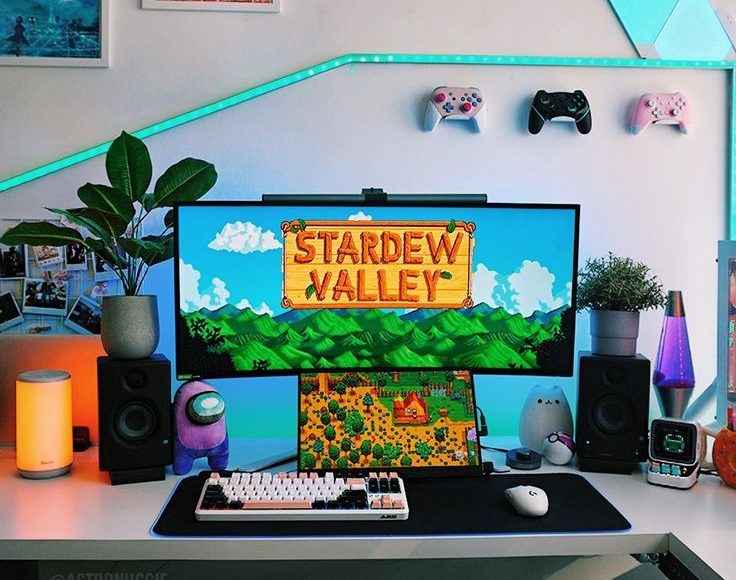
Seeing another grown man scream at a monitor and nearly sacrifice a keyboard after losing a match can get exhausting. That shift in mood helps explain why casual gaming streams have carved out a different kind of appeal. Instead of turning every mistake into a crisis, cozy creators offer soft lighting, relaxed gameplay, background music, and conversation that feels more like hanging out than watching a competition.
That does not mean competitive gaming is disappearing. Far from it. Esports still produces enormous audiences. The interesting part is that streaming is no longer only about spectacle. Twitch has increasingly become a personality and community platform, with categories such as Just Chatting regularly dominating viewing. Twitch’s own 2025 Recap also tracks chats, hours watched, visits, and channel points, showing how much the platform measures participation beyond simple viewing.
The opportunity, then, is not simply to make gaming quieter. It’s to make watching feel worthwhile even when nothing spectacular happens.
1. Casual Gaming Streams Work Because Cozy Gaming Aesthetic Turns Watching Into Relaxation
The strongest cozy channels understand one simple thing: viewers don’t always want another adrenaline rush after spending eight hours working, studying, or commuting.
A cozy gaming aesthetic creates visual consistency through warm lighting, uncluttered overlays, gentle colors, slower camera movement, and games built around exploration or routine. Think Stardew Valley, Animal Crossing: New Horizons, The Sims 4, or relaxing simulator titles.
Research into streaming audiences also supports the broader community angle. A 2025 study of 779 Twitch viewers found that viewers valued the comfort and familiarity associated with streamers and their communities.
Stardew Valley Gives Creators More Than Gameplay
Stardew Valley is useful because the gameplay itself creates conversational breathing room. Farming, fishing, decorating, mining, and relationship-building don’t demand constant commentary.
That gives the creator space to talk.
Instead of choosing between playing well and entertaining chat, the streamer can do both. The game becomes the background while the personality becomes the reason to stay.
Hatchet’s analysis of cozy games found that farming and life-sim streaming is heavily concentrated around a few established titles, including Stardew Valley and Animal Crossing: New Horizons.
Animal Crossing Builds a Stronger Sense of Place
Animal Crossing has another advantage: the streamer’s island becomes part of the content.
Viewers can recognize locations, characters, routines, and recurring jokes. Returning to the same island can feel strangely familiar, almost like visiting someone’s house.
That’s valuable because familiarity reduces the friction of returning tomorrow.
Soft Audio Is More Important Than Fancy Graphics
A creator can spend thousands on overlays and still produce an unpleasant stream if the microphone sounds harsh.
For cozy content, audio often needs to be treated as part of the atmosphere:
- Keep voice levels stable.
- Avoid aggressive alert sounds.
- Use background music carefully.
- Remove keyboard and fan noise where possible.
- Let quiet moments exist instead of filling every second.
This is where a low stress broadcast becomes an actual production strategy rather than merely an aesthetic label.
The Best Cozy Streams Still Need a Reason to Return
Relaxing does not automatically mean engaging.
A sleepy stream with no personality can become background noise. The strongest channels create recurring rituals such as Monday farming sessions, viewer island visits, community challenges, or monthly decoration themes.
That gives relaxation a structure.
2. Viewer Interaction and Community Building Make Relaxed Streams More Valuable Than They Look

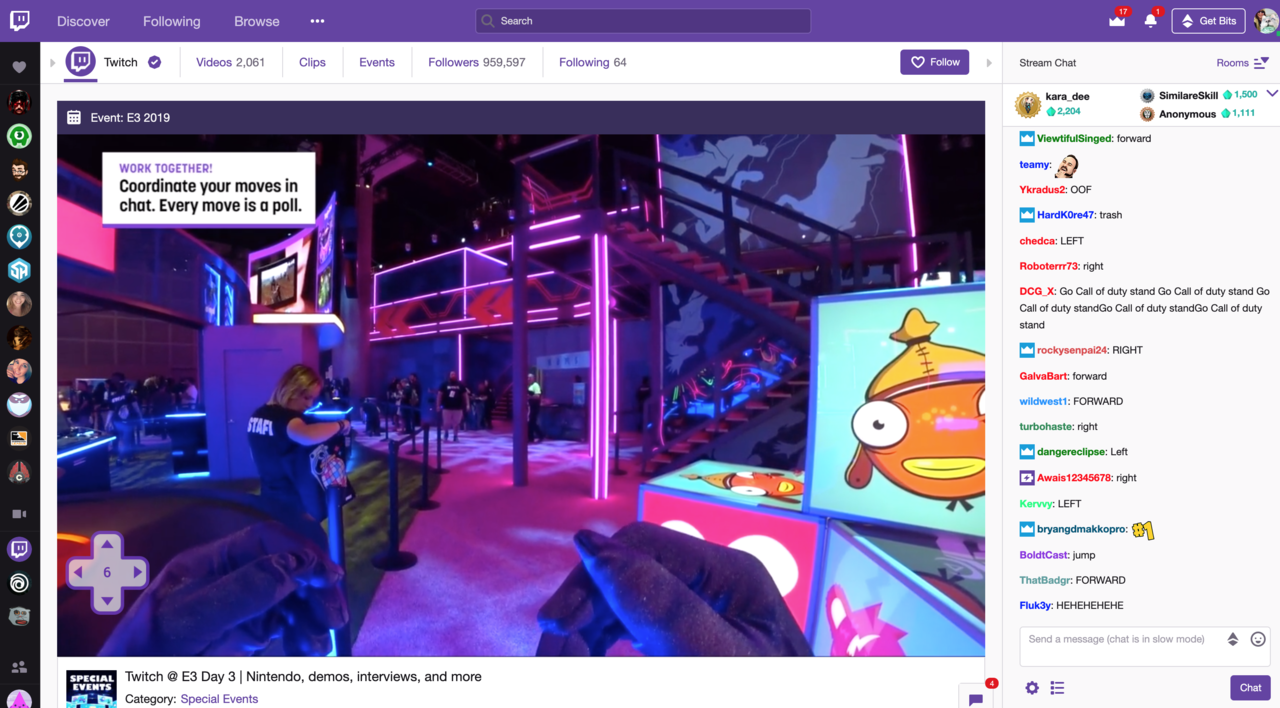
A common mistake is assuming that calm content requires passive viewers. In practice, the opposite can be true.
The strongest viewer interaction is often subtle. A streamer remembers someone’s username, asks for an opinion about a house design, lets chat choose the next crop, or creates a running joke that appears every week.
That small interaction compounds.
A 2026 streaming analysis found that streamer interest in cozy and community-oriented formats can be much higher than their share of viewer attention, suggesting that simply choosing a cozy game isn’t enough. Creators still need a clear reason for viewers to care.
Let Chat Influence Small Decisions
You don’t need complicated technology.
Try letting viewers decide:
- Which character gets a gift.
- What area gets decorated next.
- Which farm upgrade comes first.
- What challenge happens during the final 20 minutes.
- Which game gets played next weekend.
The decision itself may be tiny, but it changes the viewer from spectator into participant.
Build Running Jokes Instead of Constant Events
Competitive streams often rely on major moments. Cozy channels can rely on continuity.
A joke that started three weeks ago can be more powerful than a random giveaway because regular viewers understand it while newcomers become curious.
This is genuine community building. The audience isn’t merely consuming episodes; they’re accumulating shared history.
Donations Feel More Natural When There Is Less Pressure
A calm environment can also change monetization psychology.
Instead of repeatedly shouting donation goals, creators can connect support to community experiences. A supporter might help fund a new game, trigger a harmless sound effect, name an in-game animal, or unlock a community challenge.
The important distinction is that the donation becomes participation rather than payment for attention.
That approach fits the broader shift toward personality-driven streaming. Recent industry reporting found that viewers increasingly follow creators for their personalities even when those creators are gaming.
Use Membership Perks Without Turning the Stream Into a Sales Pitch
Good perks should deepen belonging.
Useful examples include:
- Private community game nights.
- Custom emotes based on recurring jokes.
- Early access to schedules.
- Member voting on future streams.
- Special Discord roles.
The goal is simple: make regular viewers feel recognized without making everyone else feel excluded.
3. Low Stress Broadcast Design Needs Better Production Choices Than Expensive Esports Setups
The production ratio is where cozy streaming becomes especially interesting.
Competitive esports can require high-refresh displays, elaborate overlays, multiple cameras, competitive gameplay, instant reactions, and constant visual movement. A relaxed creator can often produce a compelling show with a simpler setup.
That does not mean cheap equals good.
A low stress broadcast still needs clean fundamentals.
Prioritize the Microphone Before the Camera
Viewers will tolerate an ordinary webcam much more easily than bad audio.
Start with:
- A decent microphone.
- Basic noise reduction.
- Consistent lighting.
- Stable internet.
- A clean game capture.
- A readable layout.
Only after those are reliable should you worry about expensive visual upgrades.
Design the Stream Around Conversation Windows
Games with natural downtime are useful because they create openings for chat.
Farming, building, exploration, crafting, decorating, and simulation games naturally create these windows.
The streamer can respond to comments without missing a crucial competitive play.
That creates a better balance between gameplay and personality.
Use Viewer Interaction as the Content Engine
Instead of asking, “What can I do to make this stream more exciting?” ask, “What can viewers help me decide?”
That small change can generate an endless list of content.
For example, a five-minute decoration decision can turn into twenty minutes of discussion, jokes, polls, and community debate.
The content is no longer entirely produced by the streamer.
Cozy Does Not Mean Slow From Beginning to End
This is where many creators get it wrong.
A good relaxing stream still needs rhythm:
Hook → conversation → gameplay → interaction → small payoff → relaxed ending
You can keep the atmosphere soft while changing the activity every 20 to 40 minutes.
That prevents the stream from becoming visually flat.
If you’re exploring the broader appeal of slower livestream experiences, this guide to the quiet appeal of leisure livestreams is a useful companion because the same principle applies beyond gaming.
4. The Real Advantage Is Loyalty Rather Than Beating Esports on Raw Viewers

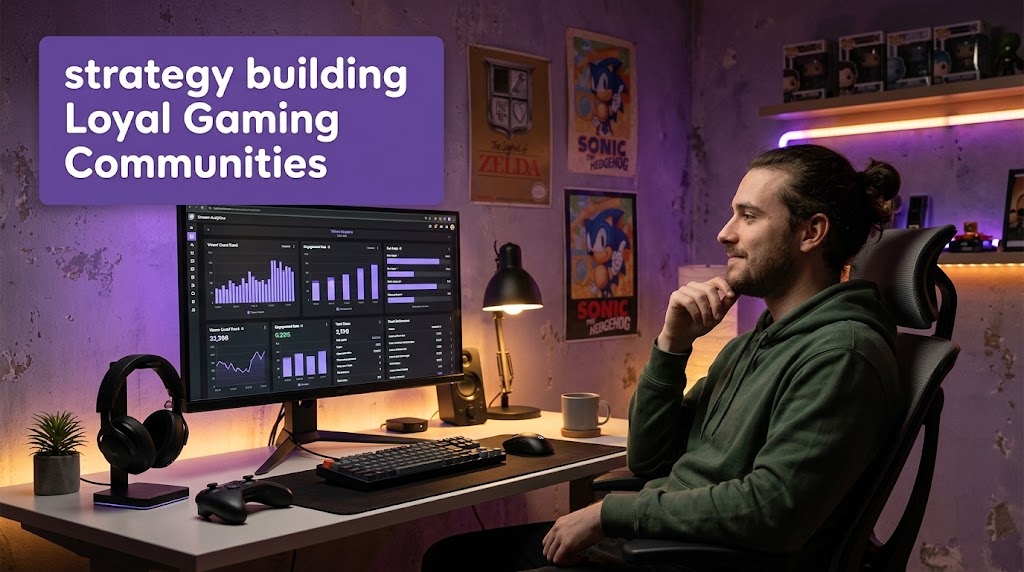
The headline “outperforming competitive esports” needs a reality check.
Cozy gaming is not consistently beating major esports titles in total Twitch viewership. Data from Twitch analytics still shows enormous demand for games such as League of Legends, Counter-Strike, Fortnite, and other high-energy categories.
The more interesting advantage is retention quality.
A viewer who watches because they enjoy the creator’s atmosphere can return several times a week. They may chat, remember community jokes, participate in decisions, subscribe, or donate.
That’s a different business model from winning a single peak-viewer spike.
For creators, the practical takeaway is straightforward:
- Don’t copy esports intensity if your personality is naturally calm.
- Choose games that leave room for conversation.
- Make your environment recognizable.
- Turn recurring viewers into participants.
- Build rituals instead of chasing constant viral moments.
- Monetize belonging rather than pressure.
The cozy niche also has limits. Hatchet’s research shows that much of the available audience in farming and life-sim categories is concentrated around a handful of games, so creators should not assume that any relaxing title automatically has discoverability.
The winning formula is therefore not “quiet game = success.”
It’s comfortable atmosphere + recognizable personality + repeatable community rituals.
That is why casual gaming streams can compete for attention without competing on volume.


Samudra Pradipta has worked in digital newsroom operations and event calendar management for more than six years. He has prepared daily schedules for online discussions, sports broadcasts, public lectures, product launches, and entertainment events. His work requires careful time-zone conversion, source verification, and fast schedule updates when a broadcast is delayed, relocated, or cancelled.