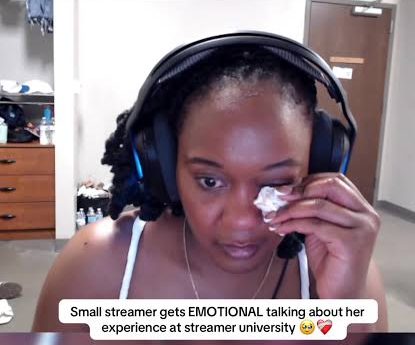
A streamer can spend hours building a warm community, then watch their mood collapse because one red number in the corner suddenly drops. That is where streamer mental health becomes an occupational issue, not simply a matter of being “strong enough” to handle criticism. A 2024 study of 343 full-time Chinese streamers found that 30.6% met the study’s burnout criteria, with work conditions, streaming schedules, income and other occupational factors linked to burnout.
The deeper problem is that streaming mixes performance, employment, friendship and public judgment into one screen. The solution is not abandoning the audience. It is building boundaries strong enough to let the creator remain a person after the stream ends.
1. Streamer Mental Health Starts With Separating Viewer Numbers From Personal Worth
Viewer counts are useful business data, but terrible emotional scorecards. A quiet stream does not automatically mean a creator is boring, irrelevant or losing their career.
Research on live streamers has found that follower fluctuations can be associated with burnout, although the relationship becomes less straightforward when other occupational factors are considered. That distinction matters. A falling follower number is a signal worth investigating, not a verdict about your value.
Turn Off Live Viewer Count Before It Starts Controlling Your Mood
If seeing 400 viewers become 270 makes you change your personality mid-stream, hide the number.
Use analytics after the broadcast instead. Review:
- average watch time
- returning viewers
- chat activity
- subscriptions or donations
- clips and replay performance
- meaningful audience feedback
This turns analytics into a post-game review rather than a constant emotional heartbeat.
Use A Fixed Analytics Window Instead Of Checking Every Few Minutes
A practical system is to check performance once after the stream and again during a scheduled weekly review.
That creates psychological distance. You are evaluating a product, not repeatedly evaluating yourself.
The same principle applies to follower losses. Research suggests follower drops may correlate with burnout, but they did not remain an independent predictor after other variables were considered in multivariate analysis.
Build Parasocial Boundaries Before Your Community Becomes Too Personal
Strong communities can feel surprisingly intimate. That is part of streaming’s appeal, but it can become exhausting when viewers expect constant access to the creator.
Set clear rules around:
- private relationships
- personal location
- family information
- direct messages
- off-platform contact
- emotional support
A recent study of streamers specifically identified privacy, audience disclosure of personal mental health issues and toxicity as challenges in managing parasocial relationships.
Treat Viewer Toxicity As Moderation Work, Not A Personal Debate
You do not need to personally defeat every rude viewer.
Moderators, blocked words, slow mode, bans and clear community rules can remove much of the emotional labor. If someone repeatedly attacks you, continuing the conversation rarely produces a satisfying ending.
The goal is not to win the argument. The goal is to protect the room.
2. Parasocial Boundaries And Viewer Toxicity Need A Clear Operating System

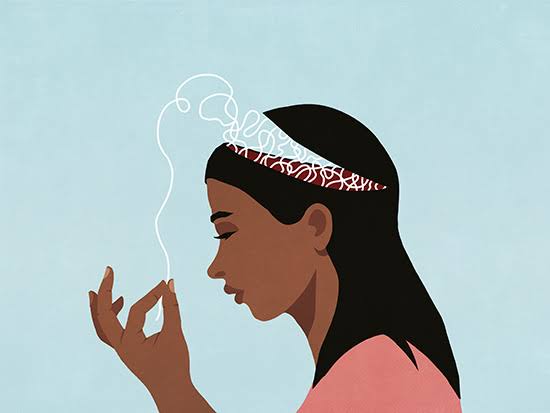
A streamer can be friendly without being permanently available. In fact, that distinction may be what keeps a community healthy.
Studies of livestreaming show that social presence can strengthen parasocial relationships and viewers’ sense of belonging. Those relationships can also encourage longer visits and virtual gifting.
That is valuable for creators, but it also explains why boundaries matter. The closer the audience feels, the easier it becomes for expectations to expand.
Create a simple boundary framework:
- Public: gaming preferences, opinions, content plans and harmless stories.
- Limited: relationships, family matters, financial details and personal struggles.
- Private: home address, passwords, private conversations and sensitive offline information.
If a viewer becomes angry because you do not answer a DM, that does not mean the boundary is wrong.
For creators discussing mental health on stream, the boundary becomes even more important. Recent research involving Twitch Partners found that creators can face emotional dilemmas while trying to support community members with mental health concerns.
A streamer can listen. A streamer is not automatically a therapist.
3. Digital Detox And Mental Stamina Make Streaming Sustainable

The most underrated streaming skill may be knowing when the broadcast is actually over.
Digital detox does not have to mean disappearing for a week. It can simply mean creating a clean transition between creator mode and private life.
Create A Ten Minute Shutdown Ritual After Every Stream
When the broadcast ends, avoid immediately opening another platform to inspect reactions.
Instead:
- Stop recording.
- Drink water and leave the setup.
- Write down urgent production notes.
- Check only necessary messages.
- Do something unrelated to streaming.
That small gap helps prevent the stream from bleeding into the rest of the evening.
Use A Hard End Time For Long Broadcasts
Longer streams can create more opportunities for income and engagement, but longer is not automatically better.
The 2024 streamer burnout study found occupational factors such as streaming conditions and schedule were associated with burnout. The researchers also found that 30.6% of their participants reached the study’s burnout threshold.
A sustainable schedule should therefore consider recovery time, not only hours spent live.
A useful rule is simple: if extending tonight’s stream consistently ruins tomorrow’s ability to work, the extra hours are costing more than they appear to earn.
Protect Mental Stamina With One Offline Block Every Day
Keep at least one period where streaming is deliberately absent.
No analytics.
No Discord drama.
No comment checking.
No content planning.
That offline space is not wasted productivity. It is maintenance.
Creators often try to solve exhaustion by adding better productivity systems when the actual problem is insufficient recovery.
Know When Professional Support Is More Appropriate
Persistent hopelessness, severe anxiety, sleep disruption, panic, depression or thoughts of self-harm should not be treated as ordinary creator burnout.
At that point, talk to a qualified mental health professional or appropriate local emergency service. Community support can help, but it cannot replace clinical care.
For a broader look at how livestreaming can either comfort viewers or create additional pressure, this discussion of wellness livestreams and emotional pressure is also useful context.
4. A Better Streaming Career Measures Health Alongside Growth

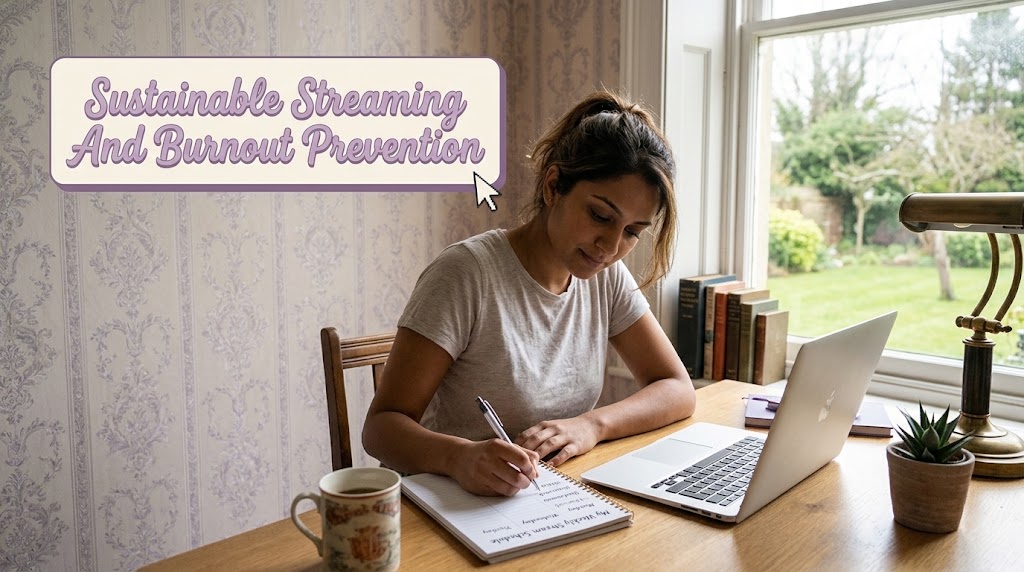
The strongest creators do not necessarily build the biggest wall around themselves. They build a smarter one.
Track business metrics, but add personal metrics too:
- Did I sleep properly after streaming?
- Did I enjoy the session?
- Did I spend enough time offline?
- Did moderation protect my energy?
- Did I feel pressured to perform a fake personality?
- Can I repeat this schedule six months from now?
That last question is the real test.
A career that grows quickly but destroys the person operating it is not sustainable growth. Research already points toward burnout as a meaningful occupational concern among full-time streamers, while newer work shows that managing community relationships can create emotional pressure of its own.
The healthiest approach is therefore not to stop caring about viewers. It is to stop making every viewer reaction responsible for your identity.
A good stream ends. The audience goes offline. The numbers stop moving.
You should still have a life waiting when the screen goes dark.
Q&A
Can hiding the viewer count really help a streamer?
It can reduce the temptation to react emotionally to short-term fluctuations. Analytics are more useful when reviewed after the broadcast, when the creator can evaluate trends rather than individual moments.
How much personal information should a streamer share?
Share enough to create personality, but not enough to remove privacy. Family details, location, finances and private relationships are usually better kept outside the public layer of the channel.
Is taking a break bad for channel growth?
Not necessarily. A short, planned break can be healthier than continuing through severe exhaustion and producing increasingly poor content. The better question is whether the schedule can be repeated sustainably.


Samudra Pradipta has worked in digital newsroom operations and event calendar management for more than six years. He has prepared daily schedules for online discussions, sports broadcasts, public lectures, product launches, and entertainment events. His work requires careful time-zone conversion, source verification, and fast schedule updates when a broadcast is delayed, relocated, or cancelled.