
After spending hours with messages, tasks, tabs, calls, and notifications, many people still end the day by opening another screen. That sounds strange, but leisure livestreams can feel different from the rest of the digital noise. They are not always about learning, working, shopping, or reacting. Sometimes they are simply a soft room to enter when the day feels too full.
A viewer may open a calm music session, cozy gaming stream, slow cooking live, casual creator chat, art stream, walking livestream, or quiet late-night room. The content does not need to demand full attention. It can sit in the background while the viewer eats, rests, folds laundry, writes in a journal, or lets the room feel less silent.
For Daily Livestream Sound of Text, this topic belongs in the Leisure category because it looks at live content as part of daily rest. The main issue is not whether livestreams are good or bad. The more useful question is whether the stream helps the viewer feel lighter, or quietly adds more tiredness to a day that was already heavy.
Leisure Livestreams Work Best When They Feel Easy To Enter
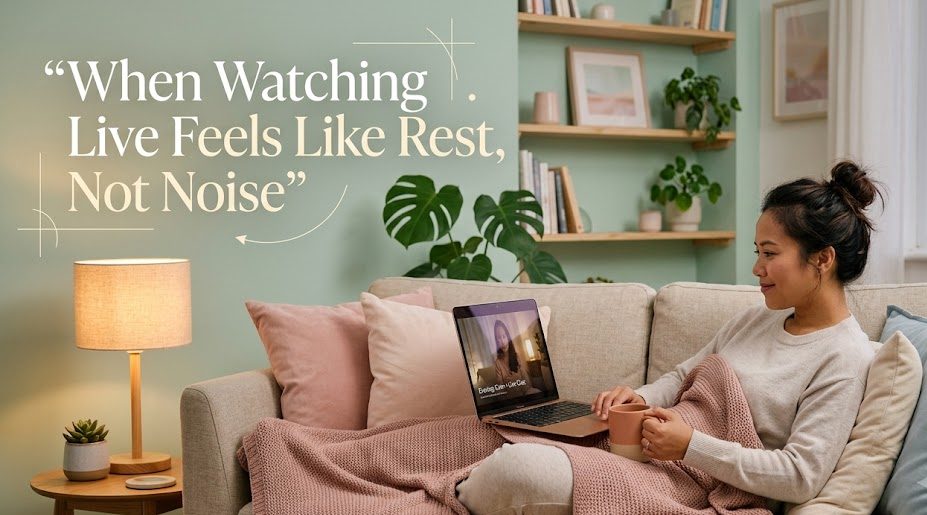
The strongest leisure streams do not make viewers work too hard. They feel simple to join, simple to understand, and simple to leave. A person can arrive in the middle and still understand the mood.
Viewers Do Not Always Want A Full Entertainment Commitment
A movie asks for attention. A series asks for time. A tutorial asks for effort. A livestream can be softer than that, especially when the viewer does not need to follow every second.
This is why casual live rooms can fit the end of the day. The viewer does not need to choose the perfect episode or understand a complicated plot. They can open the stream, feel the atmosphere, and decide whether to stay.
The low commitment is part of the appeal. A leisure livestream can become a small digital pause instead of another full activity.
Real-Time Presence Makes The Room Feel Less Empty
Recorded content can be relaxing, but live content has a small sense of presence. Someone is there now. Other viewers may be there too. The chat may move slowly. The host may react to the moment.
That real-time quality can make a room feel less empty, especially for viewers who spend a lot of time alone, work remotely, study late, or rest in a quiet house.
They may not comment. They may not interact. Still, the live room feels like company.
The Best Leisure Streams Do Not Punish Quiet Viewers
A healthy leisure stream lets people stay quietly. Not every viewer wants to type in chat, answer prompts, send reactions, or become part of the conversation.
Some only want the stream to be there.
That kind of viewing is still valid. A live room becomes easier to enjoy when the host does not force constant participation. Quiet viewers should feel welcome, not invisible or rude.
The Comfort Comes From Mood, Not Only Content
Leisure livestreams are not defined only by topic. A gaming stream can be stressful or cozy. A music stream can feel intimate or noisy. A cooking live can feel calming or chaotic. The mood is what decides whether the session feels restful.
Calm Pacing Helps The Mind Slow Down
A slower livestream can help the viewer transition from work mode to rest mode. The host may speak gently, the visuals may move slowly, or the session may follow a steady rhythm.
This pacing matters because many digital platforms push speed. Short clips, fast edits, alerts, trending posts, and constant recommendations train the viewer to keep jumping.
A leisure livestream can do the opposite. It gives the viewer permission to stay in one place for a while.
Familiar Hosts Make The Experience Easier To Trust
Many people return to the same leisure streams because the host feels familiar. They know the voice, tone, humor, schedule, and chat atmosphere. That familiarity reduces decision fatigue.
The viewer does not need to ask, “Will this room stress me out?” every time. They already know the energy.
This is one reason small live rooms can become meaningful even without huge audiences. The value is not always scale. Sometimes it is reliability.
Background Sound Can Change The Feeling Of A Room
Some leisure streams work because they change the atmosphere of the viewer’s physical space. A quiet music live can make a room feel warmer. A walking stream can make a small apartment feel more open. A cozy game stream can soften the silence during chores.
The stream becomes part of the room, almost like a lamp or background playlist, but with a more human pulse.
Leisure Turns Into A Problem When The Stream Keeps Choosing For You
A livestream can begin as rest and become a screen trap when the viewer loses the ability to stop. The issue is not the first stream. It is the chain after it.
One Live Room Can Lead To Another Without A Real Decision
A viewer may open one relaxing stream, then click another suggested live, then another. The first choice was intentional. The next ones may only happen because the platform keeps offering them.
This is where leisure becomes blurry. The viewer is no longer choosing rest. They are being carried by recommendations.
A simple pause helps: before opening the next live room, ask whether the first stream already gave enough comfort.
A Relaxing Stream Can Still Delay Sleep
Late-night streams are especially tricky. They can feel soft and harmless, but they may keep the viewer awake longer than planned.
The host starts a new segment. The chat becomes interesting. A song begins. A game round continues. The stream does not end, so the viewer does not end either.
Leisure should not steal recovery. If a stream makes sleep harder, it may not be the right late-night companion.
Emotional Noise Can Hide Behind Soft Aesthetics
Not every calm-looking stream is actually calming. A room can have soft lighting, slow music, and cozy visuals but still carry drama, comparison, pressure, or emotional heaviness.
Viewers should notice how they feel after watching. If the stream leaves them tense, jealous, restless, or more tired, the aesthetic may be softer than the actual experience.
Different Kinds Of Tired Need Different Leisure Streams
The best leisure choice depends on what kind of tired the viewer feels. Physical tiredness, mental overload, loneliness, boredom, and emotional heaviness do not need the same content.
Mental Overload Needs Low-Information Streams
When the mind feels crowded, choose streams that do not require much processing. Soft music, slow walking, cozy gaming, or quiet art lives can work better than debate, news, or fast chat.
The goal is not to absorb more information. The goal is to let the mind stop collecting.
Loneliness Needs Warm But Not Demanding Rooms
When the viewer feels lonely, a casual creator chat, community music room, or friendly live hangout may help. The key is choosing a room where participation is optional.
A good loneliness stream feels like company. A bad one makes the viewer feel outside a private circle.
Boredom Can Handle More Playful Streams
When the viewer is not exhausted but simply bored, a live game show, watch party, light challenge, or funny creator room can be a better fit.
This is still leisure, but with more energy. The point is to lift the mood without turning the rest of the day into endless scrolling.
Emotional Heaviness Needs Gentle Boundaries
When someone feels emotionally heavy, livestreams can provide comfort, but they should not become avoidance forever. A soft stream may help the viewer get through the evening, but it should not replace sleep, food, movement, real support, or necessary conversations.
A livestream can be a small blanket. It should not become the whole shelter.
Small Boundaries Keep Leisure Enjoyable
Boundaries do not need to make watching feel strict. They simply protect the viewer from accidentally giving the whole evening to a screen.
A useful boundary can be:
- watching only during dinner
- leaving after one music set
- stopping after one game round
- closing the stream before bedtime
- choosing one comfort stream instead of browsing endlessly
- turning off autoplay or recommendations when possible
The best boundary is not the most dramatic one. It is the one the viewer can actually follow.
Restful Live Content Should Feel Possible To Leave
Leisure livestreams can make daily life feel softer. They can bring company into a quiet room, give background warmth to small routines, and help viewers slow down after a long day online.
But the healthiest leisure streams are not the ones that trap people the longest. They are the ones viewers can enter easily and leave without regret.
That is the quiet difference between rest and another screen habit. Good leisure does not demand the rest of the evening. It gives part of the evening back.

Samudra Pradipta has worked in digital newsroom operations and event calendar management for more than six years. He has prepared daily schedules for online discussions, sports broadcasts, public lectures, product launches, and entertainment events. His work requires careful time-zone conversion, source verification, and fast schedule updates when a broadcast is delayed, relocated, or cancelled.


1 comment
Comments are closed.